2026 提示词工程(Prompt Engineering)实战指南:从底层逻辑到前沿实践
#前言
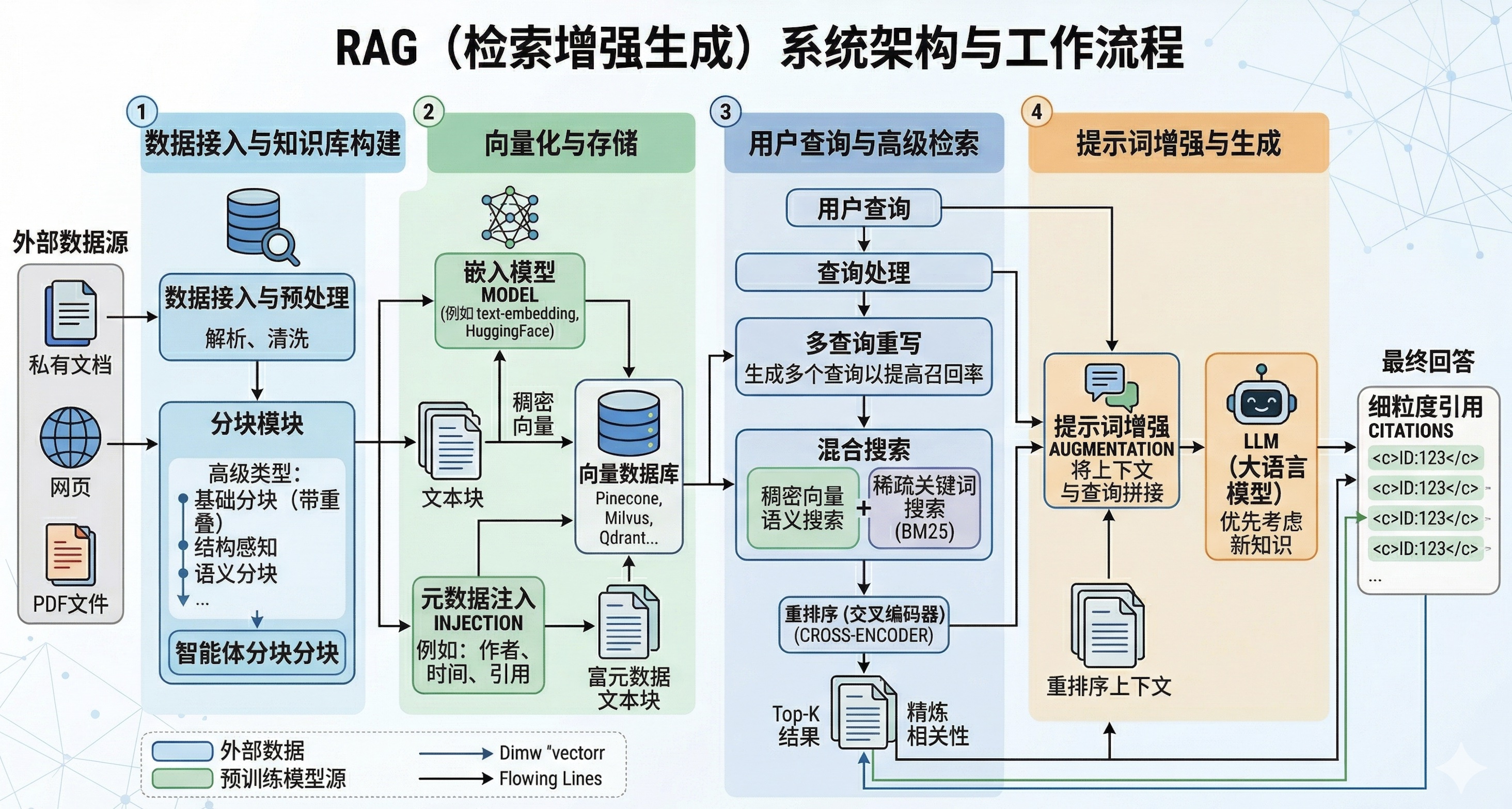
最近一直在做RAG,不管是改写还是生成还是审核环节都少不了写提示词,客户的各种要求,很多时候需要提示词来完成。这个时候又需要好好复习下最开始的Prompt了。同时随着大语言模型(LLM)的飞速演进,如何高效与 AI 协作已成为每一位技术人与知识工作者的核心竞争力。
提示词工程(Prompt Engineering)
——也称为
上下文提示(In-Context Prompting)
,其本质是通过精心设计的输入结构来引导模型,在不改变模型权重的前提下,让其展现出我们预期的行为 [1, 2]。
提示词工程是一门高度依赖实践与经验的科学 [1]。在 2026 年,伴随着
Claude 4.x
以及
GPT-5.6 Sol
等具有强大自主推理与长上下文能力的模型发布,编写提示词的范式发生了颠覆性的变化:
繁琐、说教式的规则堆砌正在失效,而“结果导向”、“精简高效”与“明确授权边界”正在成为主流 [3]。
本文是自己学习整理的一套专业且实用的 2026 提示词设计体系,帮助你从“提示词新手”跃升为“AI 掌控者”,哈哈。
第一部分:核心基础——优秀提示词的 5 大黄金法则
无论模型如何演进,一些底层的沟通习惯是永远适用的。遵循以下 5 大黄金法则,可以立刻改善模型 80% 以上的输出质量:
1. 明确且直白(Be Explicit and Clear)
现代 AI 模型(如 Claude 4.x)更喜欢清晰、直接的指令 [2]。不要让模型去猜测你的意图,直接告诉它你想要什么。
- 不佳示例(模糊):“帮我写一个分析仪表盘。” [2]
- 优秀示例(直白):“请编写一个分析仪表盘。尽可能多地加入相关的功能和交互,不要只停留在基础逻辑,我要一个功能完整且能够投入生产的版本。” [2]
- 实践要点:直接以强动词(如“编写”、“分析”、“生成”、“创建”)开头,跳过无意义的客套寒暄,直接界定深度和质量预期 [2]。
2. 提供背景与动机(Provide Context and Motivation)
新一代的模型已经具备了强大的推理与理解能力。解释“为什么要这么做”能帮助模型理解你的根本目标,从而在面临细节决策时做出更符合预期的选择 [2]。
- 不佳示例:“绝对不要使用项目符号(bullet points)。” [2]
- 优秀示例:“我更喜欢行文流畅的自然段落,而不是项目符号。因为我觉得流利的散文读起来更轻松、更有对话感。项目符号对我这种随性的学习风格来说显得有些太正式和呆板了。” [2]
- 作用:让模型明白限制背后的动机,模型甚至会主动调整其他相关的排版格式以配合你的动机 [2]。
3. 具体且有约束力(Be Specific)
在设计指令时,尽量结构化你的要求,给出明确的边界限制、格式规范和目标受众 [2]。
- 一个具体提示词应包含 [2]:
- 明确的约束(字数限制、排版格式、截止日期)
- 目标受众与目标(谁会读这段话、要解决什么问题)
- 期望的输出结构(表格、JSON、段落还是代码)
- 任何特定的限制条件(如:预算范围、技术框架或饮食限制等)
4. 善用示例(Few-Shot Prompting)
当你需要模型输出特定格式或微妙语气时,“给示范”远比“干描述”高效得多 [2]。
- 少量样本提示(Few-Shot)通过提供高品质的“输入-输出”示范,直观地告诉模型人类的评判标准 [1]。
- 2026 年新模型防坑指南:现代先进模型(如 Claude 4.x)对示例中的细节极为敏感。请确保你的示例行为完全符合预期,剔除任何你不希望模型模仿的坏习惯 [2]。
- 如何选择和排序示例:
- 选择:推荐选择在语义上与测试用例相似的样本(如通过 KNN 检索生成)[1],或选择覆盖面多元、具有代表性的样本组合 [1]。
- 排序:样本顺序会对结果产生巨大影响,LLM 普遍存在多标签偏见(Majority label bias)和近因偏见(Recency bias,倾向于模仿最后一个示例) [1]。因此,建议让示例保持多样性、高度关联,并采用随机顺序排列以规避偏差 [1]。
5. 允许 AI 承认不确定性(Give Permission to Express Uncertainty)
在处理需要事实准确性的任务(如分析财务数据或技术检索)时,明确授权模型可以“说不知道”。这能戏剧性地降低模型强行解释(Hallucination,幻觉)的概率 [2]。
- 实用金句:“如果分析该财务数据后,你发现现有信息不足以支撑得出结论,请直接说明,切勿进行无根据的推测。” [2]
第二部分:进阶战术——如何搞定复杂、高难度的工程任务
当你需要用 AI 构建智能体(Agent)、处理庞大的数据集或执行多阶段分析时,仅靠基础法则还不够,你需要掌握以下进阶武器:
1. 预填回复(Prefill the Response)
“预填回复”是控制输出格式(尤其是 JSON、XML 等结构化输出)或强制跳过寒暄的最强战术 [2]。在 API 中,你可以提前写入 Assistant 的首个字符;在日常 Chat 界面中,也可以用明确指令来模拟这一行为 [2]。
- 操作方式:在提示词末尾加上:“请直接输出符合格式的 JSON,不要包含任何前言或解释。请以下面的字符作为你回复的开头:
{” [2] - 效果:模型将无缝从
{开始输出你需要的纯数据格式,完全过滤掉“好的,这是为您生成的 JSON:”之类的废话 [2]。
2. 链式思考(Chain of Thought, CoT)
对于复杂的逻辑、数学推理或分析任务,要求模型在给出最终答案前,先写出一步步的思考过程 [1, 2]。这不仅大幅提升了计算准确率,还为你提供了审查逻辑的透明度 [1, 2]。
- 零步链式思考(Zero-Shot CoT):直接在指令中加入 “请一步步思考(Let’s think step by step)” [1]。
- 2026 年新范式:虽然现代模型(如 Claude)提供了原生且卓越的深度推理/扩展思考(Extended Thinking)功能 [2],但在不具备该功能的环境中,或者当你需要模型在最终输出中显式呈现逻辑推导时,手动在提示词中划定思考区间(例如使用
<thinking>标签)依然极其有效 [2]。
3. 提示词链式拆解(Prompt Chaining)
不要试图在一个庞大的提示词里让 AI 完成所有工作。
“提示词链”将一个复杂的宏大任务拆分为若干个顺序相连、使用独立提示词的子任务,前一个提示词的输出作为下一个提示词的输入 [2]。
- 经典流程:科研论文精读 [2]:
- 提示词 A:提炼医学论文的方法论、研究结果和临床意义 [2]。
- 提示词 B:根据原论文审查第一步生成的提炼内容,给出准确度与完整性的反馈评分 [2]。
- 提示词 C:基于反馈,对提炼内容进行最终的优化修改 [2]。
- 优势:虽然链式调用牺牲了一定的响应速度(Latency),但在准确率、稳定性和可控性上会带来指数级的提升 [2]。
第三部分:2026 现代范式——适配 GPT-5.6 时代的“减法艺术”
随着 GPT-5.6 Sol 以及同代先进模型的诞生,LLM 已经展现出了极强的设计、路线规划与自主执行能力 [3]。过度设计、说教式、规则密布的提示词反而会束缚模型的性能,甚至引发规则冲突 [3]。
在 2026 年,请学会使用以下“现代范式”:
1. 精简提示词,拒绝无谓堆砌(Simplify Prompts First)
在 GPT-5.6 Sol 的实际开发评估中,精简的系统提示词(Trimmed System Prompts)反而能让模型在开发任务上的评估得分提升 10% 到 15%,同时减少多达 41% ~ 66% 的 Token 消耗,降低 33% ~ 67% 的开销! [3]
- 应当修剪(Trim)的内容 [3]:
- 重复陈述的规则。
- 对模型输出行为没有任何实际改变的样式或过程描述。
- 冗余、对效果无积极影响的 Few-Shot 示例。
- 模型本身已经能 100% 稳定执行的默认步骤。
- 必须保留(Keep)的内容 [3]:
- 最终对用户可见的预期产出。
- 成功标准与终止条件(Stopping Conditions)。
- 安全、业务合规、证据依赖(数据溯源)以及授权边界。
2. 结果导向,留白以自寻路径(Outcome-First)
告诉模型终点在哪里,而不是替它规划好每一步 [3]。
现代模型能够极其聪明地在工具调用、逻辑推理与信息检索间选择最高效的路径 [3]。
- 避免:设计繁琐的“第 1 步做 X、第 2 步做 Y、第 3 步做 Z……”的死板流程。
- 提倡:明确定义“什么是好的产出”,并设定决策规则而非绝对指令。仅在涉及安全底线或核心业务标准时使用
ALWAYS(总是)或NEVER(绝不)[3]。
3. 摈弃陈旧的提示词套路
早期的提示词技巧在新一代模型中已不再是最佳实践,甚至可能带来负面限制:
- 减少重度角色扮演(Role Prompting):曾经流行的“你是一个在常青藤盟校执教、拥有 30 年经验的顶级金融专家,请……”在新模型中显得过于累赘 [2]。过度限制角色甚至会削弱模型的配合度 [2]。现代替代方案是直接指出你需要的具体视角或评估维度(例如:“请从风险承受能力与长期增长潜力的维度,来分析这个投资组合。”)[2]
- 减少不必要的 XML 标签:尽管在多内容混合的极度复杂任务中 XML 标签依然有用 [2],但对于大多数日常场景,使用清晰的标题、空行和直接的口语陈述已完全足够,无需引入多余的标记负担 [2]。
- 说“要做什么”,而不是“不要做什么”:模型对正向指令的遵循度远高于否定指令 [1, 2]。与其说 “不要在回答中用 Markdown”,不如说 “请用流畅的纯文本自然段落进行回复” [2]。
4. 划定清晰的“自主性与授权边界”(Define Autonomy Boundaries)
现代 AI 智能体(Agent)非常具有主动性和持久力 [3]。为了防止其在自动运行中执行了“高危操作”(如过度消耗 API、产生破坏性修改),你必须在提示词中划定明确的安全边界 [3]。
- 示例 [3]:
- “无需授权的本地安全操作:读取本地代码、检索本地日志、执行现有测试。”
- “必须暂停并获得人类确认的操作:修改外部数据库、向用户发送正式邮件、调用付费三方 API 扣费。”
第四部分:提示词排错与故障诊断指南
在日常调优中,如果你发现模型的表现不符合预期,可以通过以下“诊断表”迅速定位问题并调整:
| 遇到的问题 | 可能的原因 | 2026 黄金解决方案 |
|---|---|---|
| 回答太宽泛、过于空洞 | 提示词缺乏具体的细节或期望的深度限制 [2] | 增加具体约束,或者在指令中要求 AI “超越基础逻辑,给出有深度的见解” [2]。 |
| 偏离主题,遗漏关键诉求 | AI 没能理解任务的核心动机 and 目标 [2] | 显式补充背景、目标受众和目标动机 [2]。 |
| 输出格式不一致、时好时坏 | 约束不够刚性,模型在生成前没有被引导 [2] | 使用 Few-Shot 提供标准示范,或使用“预填回复”战术直接规范首字符 [2]。 |
| 任务太复杂,中间步骤频频出错 | 提示词承载了过多不同的子任务,导致焦点模糊 [2] | 采用任务拆分(Task-splitting)或提示词链(Chaining),让模型专注于单步突破 [2]。 |
| 带有一大推多余的解释性废话 | 模型默认自带助人情结 and 社交套路 [2] | 明确指令:“跳过任何前言和过渡性寒暄,直接给出答案”,或使用预填回复 [2]。 |
| AI 产生幻觉、瞎编数据 | 模型被逼入绝境,没有退路 [2] | 明确给予其表达不确定性的许可(如:“若数据不足,请直接回答‘无法推断’”) [2]。 |
参考文献 (References)
本文核心方法与论据严格基于以下前沿提示词工程规范与研究文献:
[1]Lil’Log: Lilian Weng. “Prompt Engineering.” Lil’Log, 2023.(提供了关于 Zero-shot/Few-shot 基本原理、KNN 样本检索、以及 LLM 多标签偏见与近因偏见等学术级优化技巧)。[2]Anthropic: Anthropic. “Prompt engineering best practices for 2026 | Claude by Anthropic.” Anthropic Blog, 2025.(提供了“直白清晰”、“提供背景与动机”、“预填回复 (Prefill)”、“手动 CoT”、以及“XML 标签的现代化替代方案”等最新实践准则)。[3]OpenAI: OpenAI API. “Prompting guidance for GPT-5.6 Sol.” OpenAI Developer Guides, 2026.(提供了针对 GPT-5-class 新模型的“精简提示词”、“结果导向/留白”范式、以及智能体 (Agent) 的“自主性与授权边界 (Autonomy Boundaries)”规范)。
结语:像沟通一样去 Prompting
提示词工程的真谛并不是去寻找某种“神秘的代码或咒语”,它的本质是沟通的艺术:用最精准、无歧义的语言,向一个具有强大推理能力的个体阐述你的意图 [2]。
正如 Anthropic 团队的建议:从最简单的清晰指令开始。只有当简单的结构无法满足需求时,再一层层叠加 Few-Shot 示例、预填、链式思考等高级武器 [2]。最优秀的提示词,永远是那个能以最少、最优雅的结构稳定达成目标的提示词 [2]。
祝你在 2026 年的 AI 时代,通过提示词释放出超凡的生产力!